Bosnia and Herzegovina Travel FAQs: Your Questions Answered


Getting to Bosnia and Herzegovina
Nestled in the heart of the Balkans, Bosnia and Herzegovina is a captivating destination rich in history and natural beauty. But how do you get there? The country is accessible by various modes of transportation. The primary gateway for international travelers is Sarajevo International Airport, which connects to numerous European cities. Alternatively, you can reach Bosnia and Herzegovina by train or bus from neighboring countries, providing a scenic introduction to this enchanting region.
Visa and Entry Requirements
Before planning your trip, it's crucial to understand the visa requirements. Citizens of the European Union, the United States, and several other countries can enter Bosnia and Herzegovina without a visa for up to 90 days. However, always check the latest visa regulations as they can change. Make sure your passport is valid for at least six months from the date of entry.
Currency and Costs
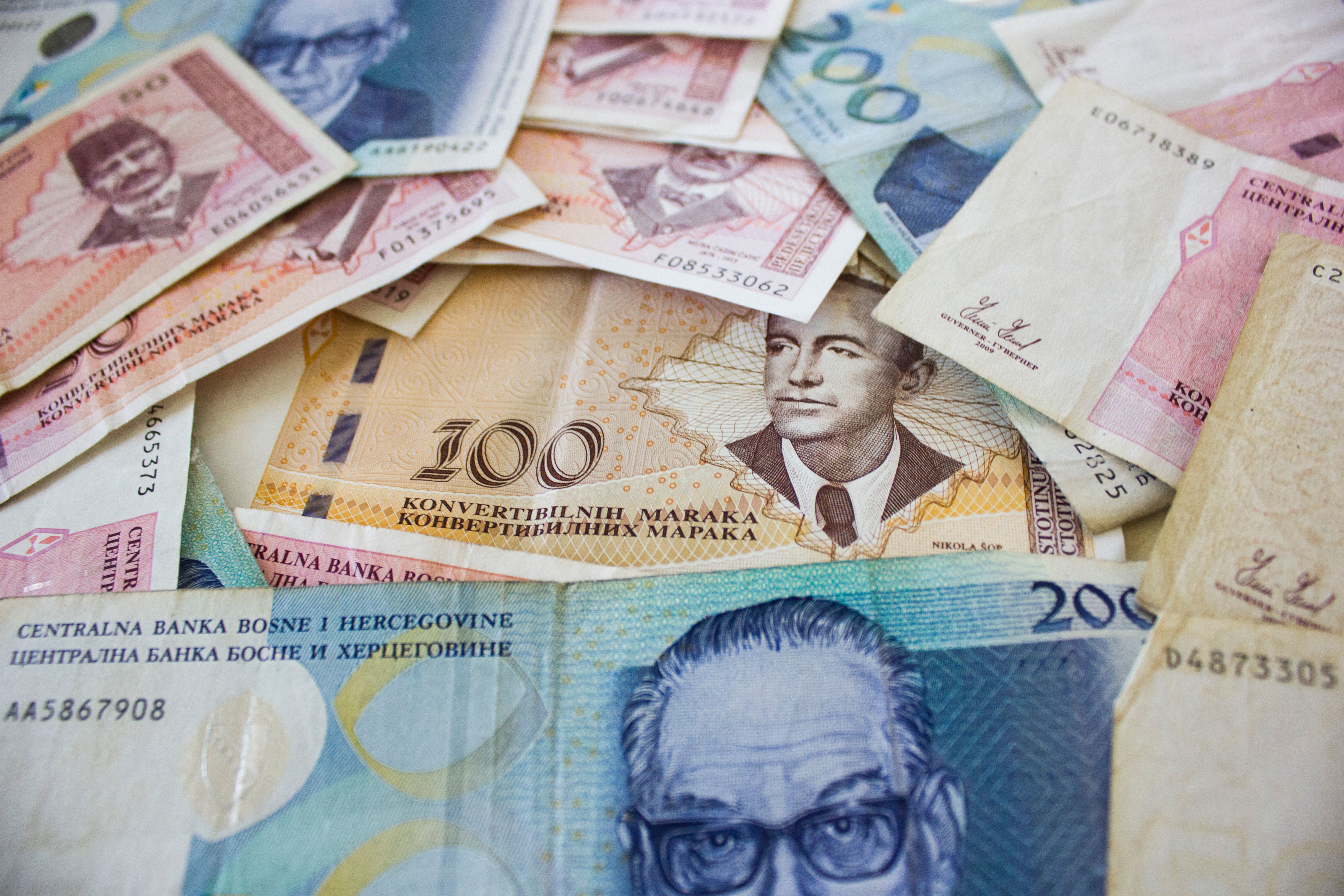
The official currency is the Bosnian Convertible Mark (BAM), which is pegged to the Euro. It's advisable to carry some local currency for small purchases. Credit cards are widely accepted in urban areas, but cash is preferred in rural regions. Bosnia and Herzegovina is known for being an affordable travel destination, offering excellent value for accommodation, food, and activities.
Language and Communication
The official languages are Bosnian, Croatian, and Serbian, but English is widely spoken, especially in tourist areas. Picking up a few basic phrases in the local language can enhance your travel experience. Wi-Fi is readily available in most urban areas, allowing you to stay connected throughout your journey.
Top Attractions
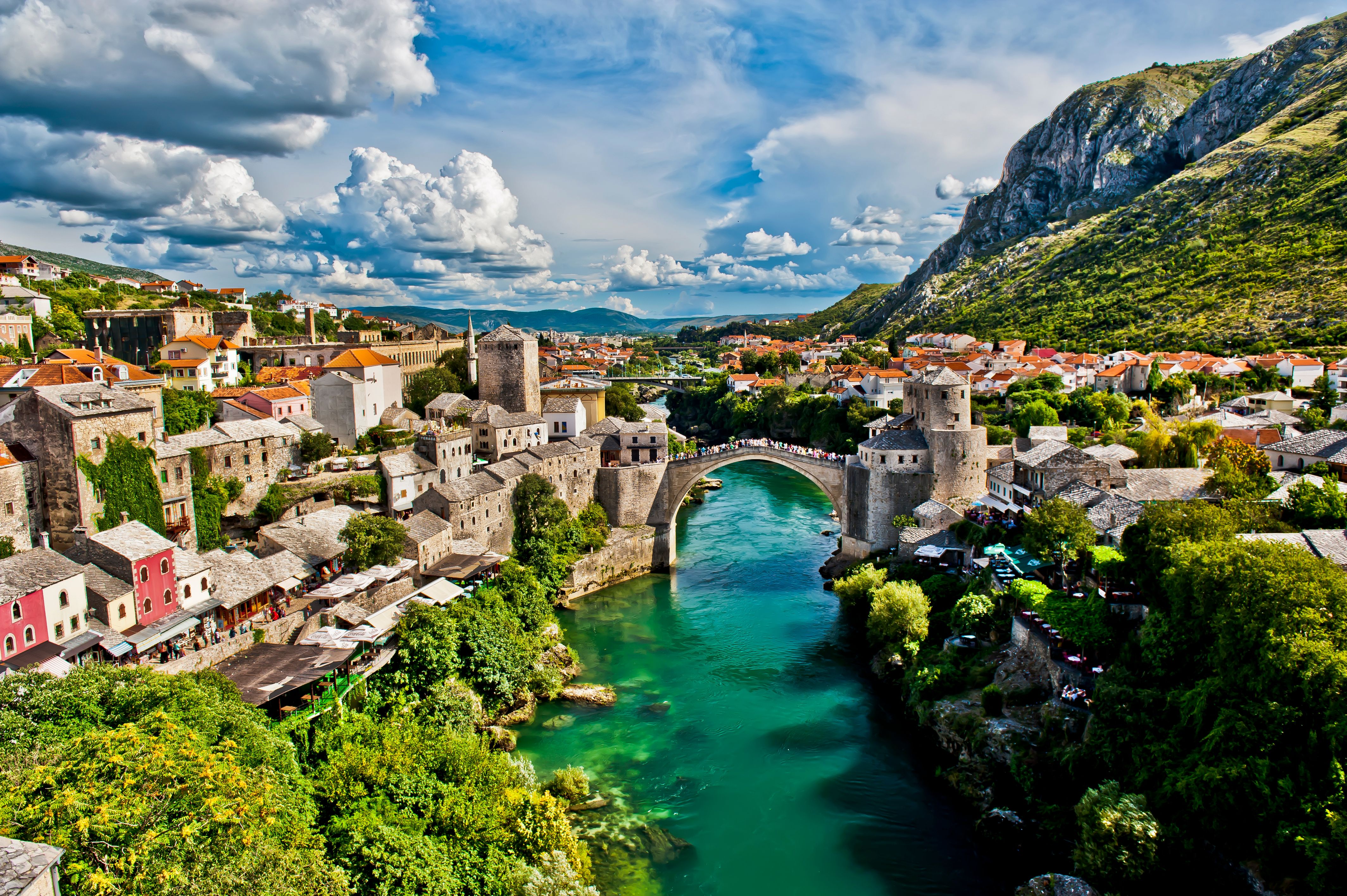
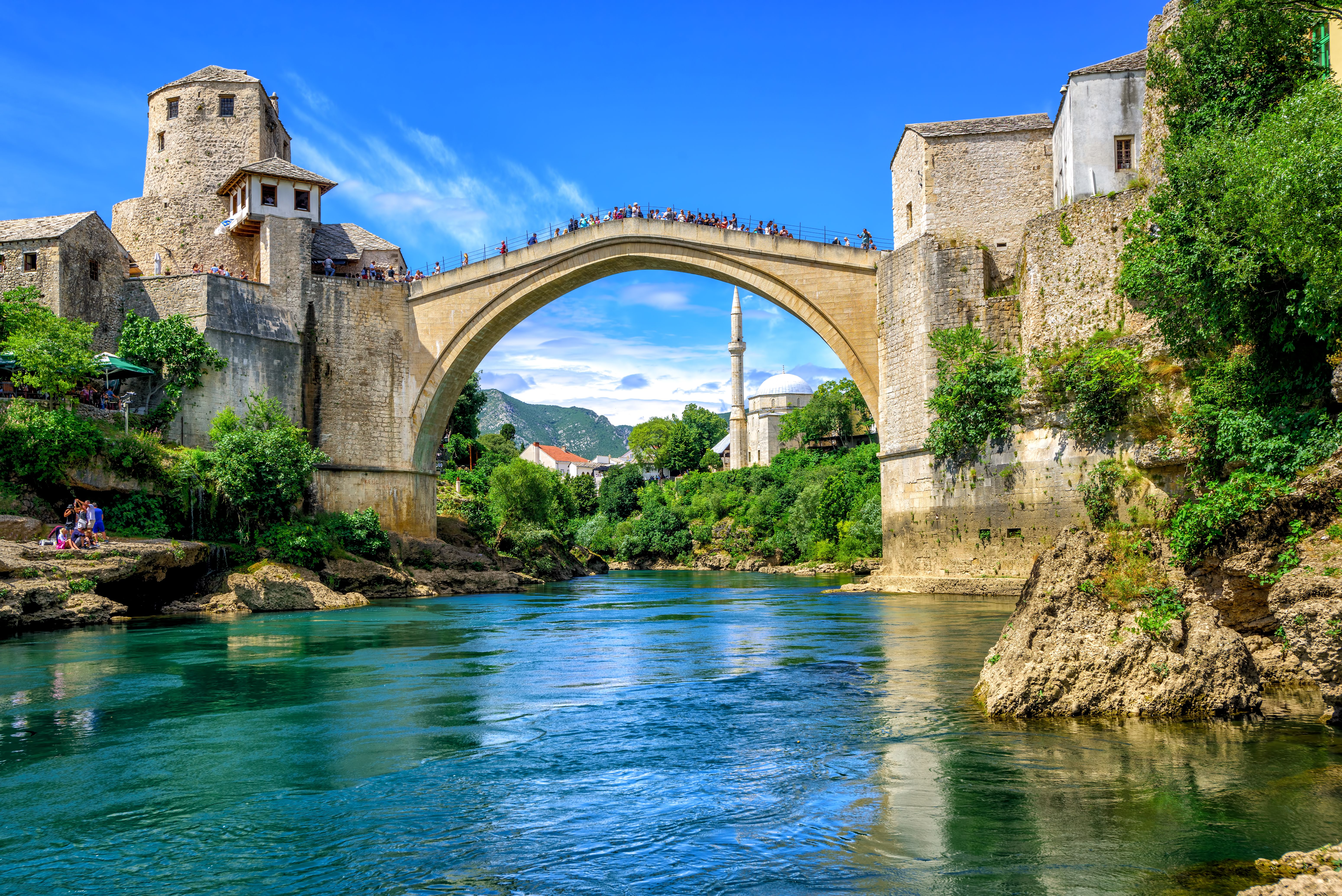
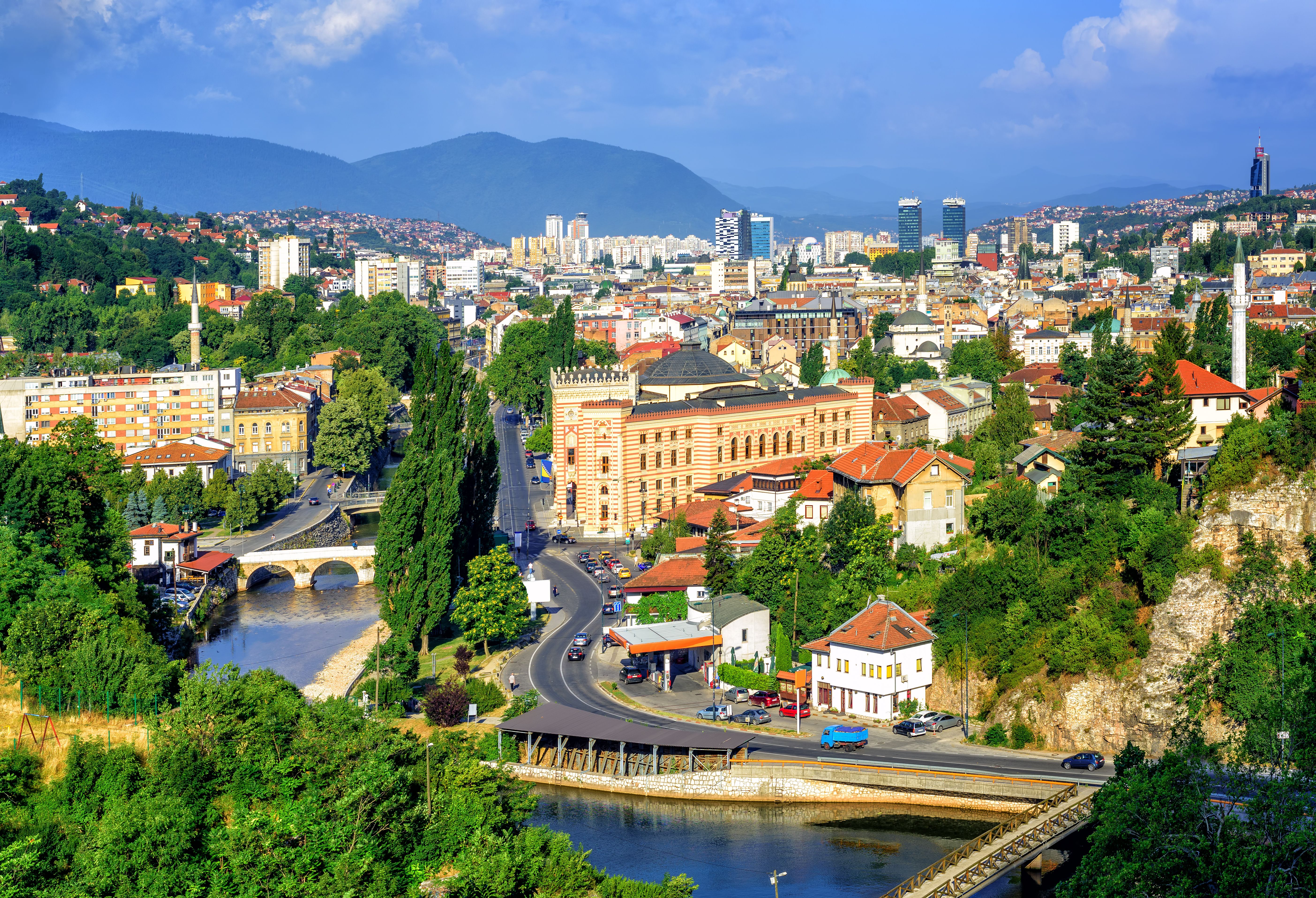
From the historic streets of Sarajevo to the stunning waterfalls of Kravice, Bosnia and Herzegovina offers a diverse array of attractions. Don't miss the medieval charm of Mostar, with its iconic Stari Most bridge, or the breathtaking landscapes of the Una National Park. For history enthusiasts, the ancient town of Jajce and the Ottoman architecture in Travnik are must-visits.
Safety and Travel Tips
While Bosnia and Herzegovina is generally safe for travelers, it's always wise to stay informed about local conditions. Be cautious of unexploded landmines if venturing off the beaten path. Stick to marked trails and seek local advice if unsure. The country is known for its warm hospitality, and locals are often willing to help visitors.
Cultural Etiquette
Understanding cultural norms can greatly enhance your travel experience. It's customary to greet people with a friendly handshake, and showing respect for local traditions is appreciated. When visiting religious sites, dress modestly and be mindful of local customs. Tipping is not obligatory but appreciated, generally around 10% in restaurants.
Transportation Within the Country
Getting around Bosnia and Herzegovina is relatively straightforward. The country boasts an extensive network of buses connecting major cities and towns. Renting a car offers the flexibility to explore at your own pace, especially when visiting more remote areas. Trains are available but may not be as efficient as buses or cars.