Top Questions About Traveling to Bosnia Answered


Is Bosnia Safe for Tourists?
Bosnia and Herzegovina has become an increasingly popular travel destination, and safety is a common concern for prospective visitors. Generally, Bosnia is considered safe for tourists. Like any travel destination, it's essential to stay vigilant and be aware of your surroundings, especially in crowded places. The country is known for its warm hospitality and welcoming atmosphere.
What Language is Spoken in Bosnia?
The official languages are Bosnian, Serbian, and Croatian. English is widely spoken in tourist areas, especially among younger generations. Learning a few basic phrases in the local language can enhance your travel experience and help you connect with locals more effectively.
Common Phrases
- Hvala (Thank you)
- Dobar dan (Good day)
- Molim (Please)
What Currency is Used in Bosnia?
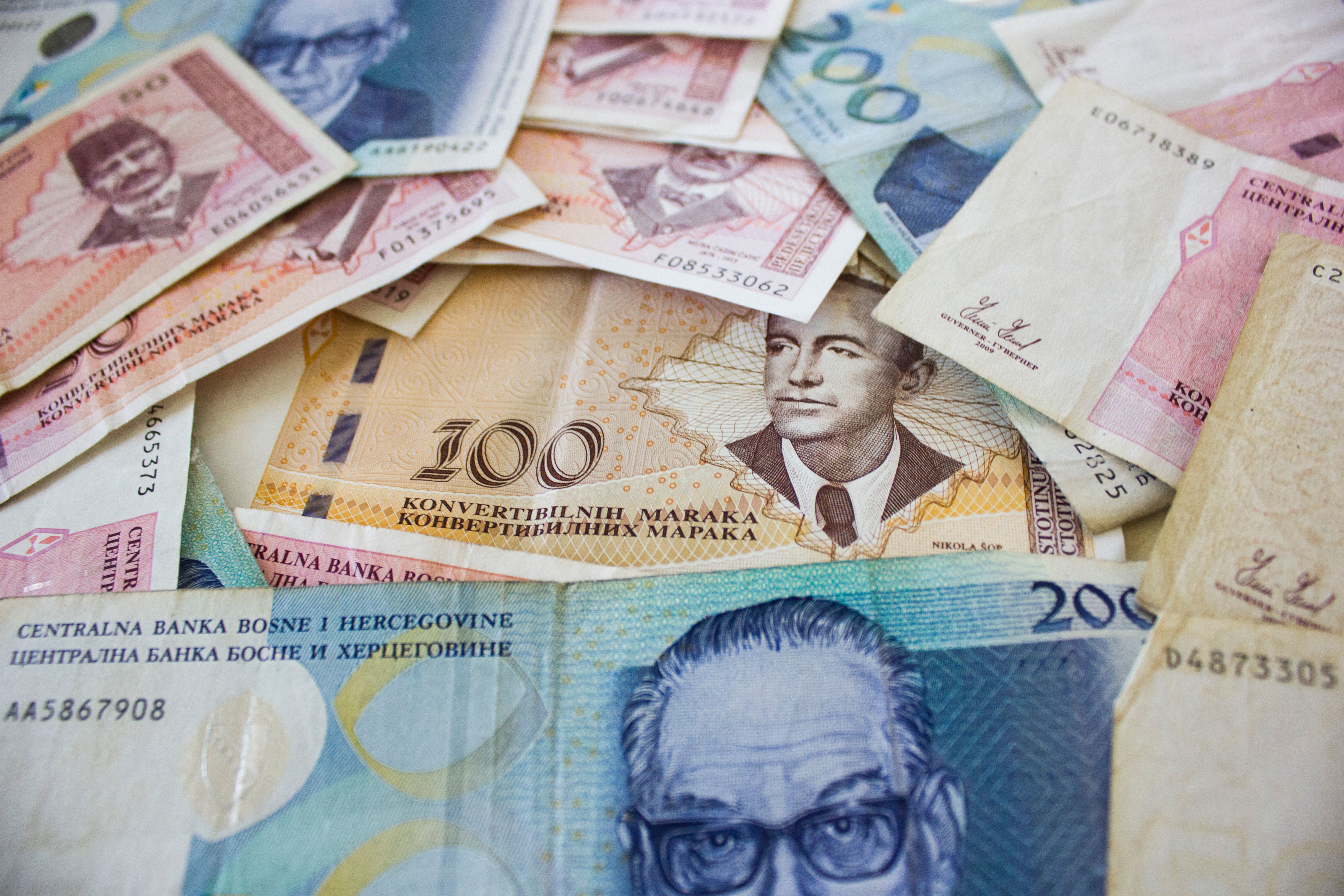
The currency used in Bosnia and Herzegovina is the Convertible Mark (BAM). While credit cards are accepted in urban areas and tourist spots, it's advisable to carry some cash, especially when visiting rural areas or local markets.
What Are the Must-See Attractions?
Bosnia is rich in historical sites and natural beauty. Some of the must-see attractions include:
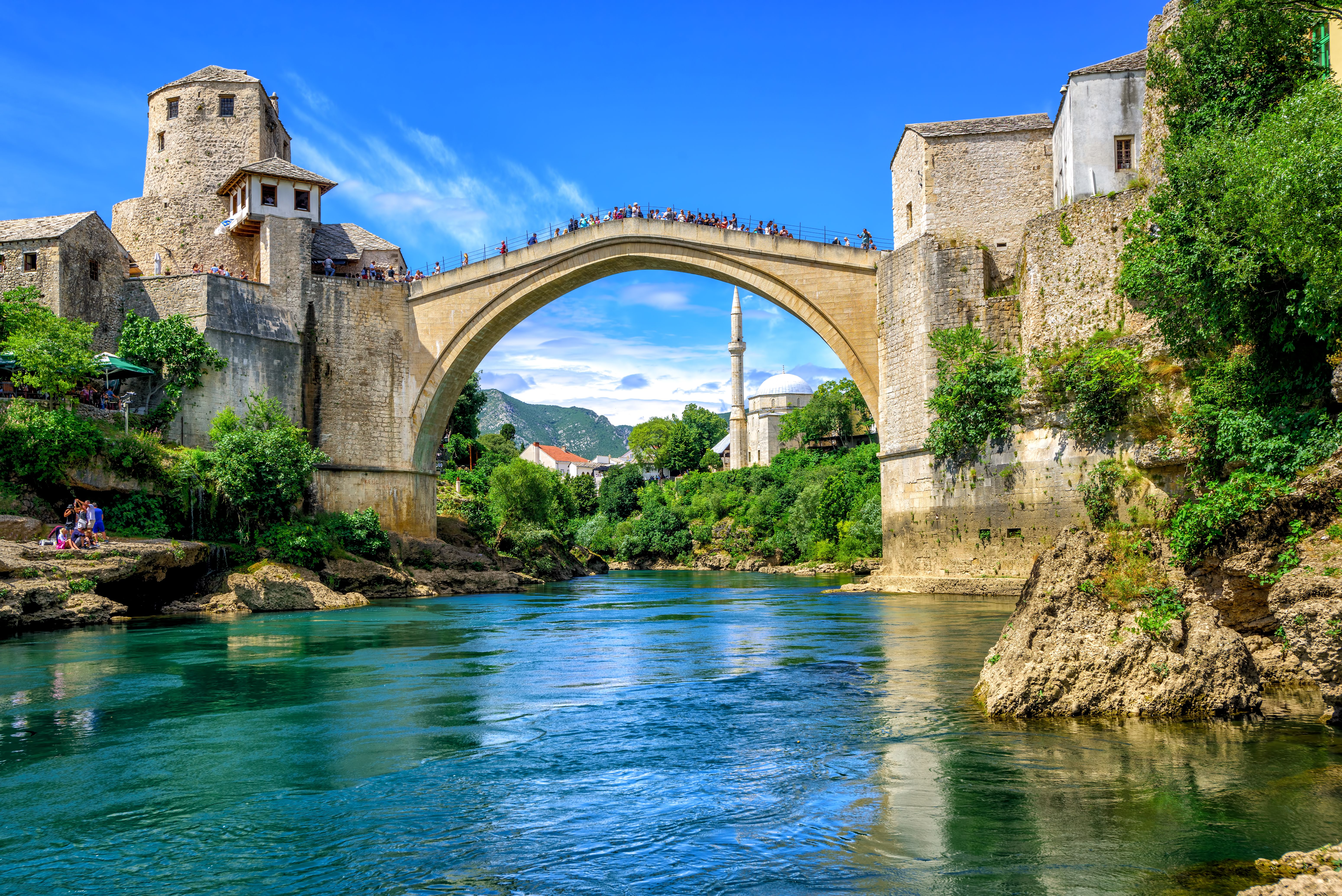
- Mostar's iconic Stari Most (Old Bridge)
- Sarajevo's historic Baščaršija district
- The breathtaking Kravice Waterfalls
Natural Wonders
Besides historical sites, Bosnia offers stunning natural landscapes. The Sutjeska National Park, home to the country's highest peak, Maglić Mountain, is perfect for hiking and nature enthusiasts.
What is the Best Time to Visit Bosnia?
The best time to visit Bosnia is during the spring (April to June) and autumn (September to November) months. These seasons offer mild weather and fewer crowds, allowing you to explore comfortably. Winter is ideal for those interested in skiing, especially in the Olympic city of Sarajevo.
How is the Food in Bosnia?
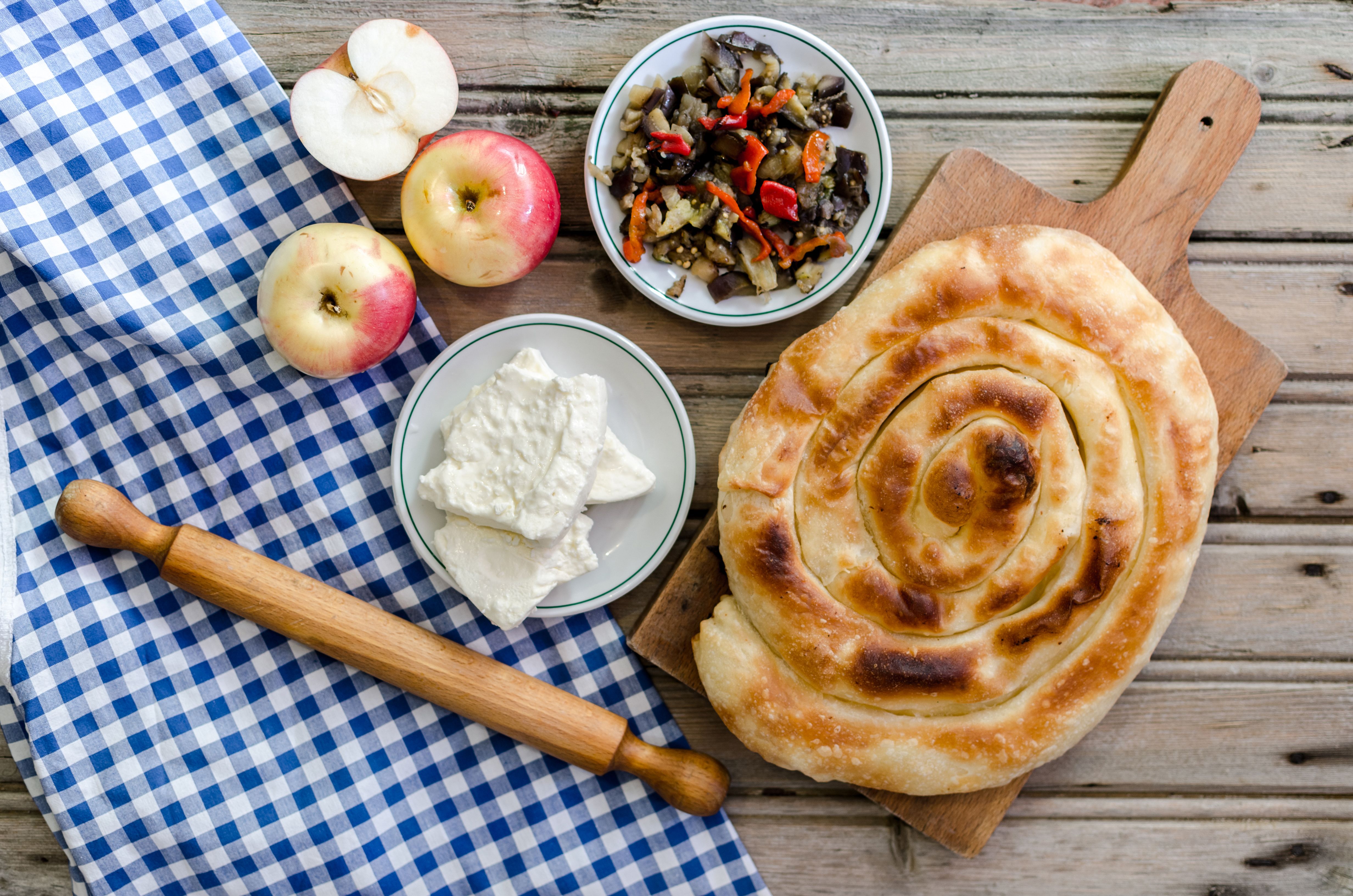
Bosnian cuisine is a delightful fusion of Eastern and Western influences. Some popular dishes include čevapi (grilled minced meat), burek (savory pastry), and baklava (sweet pastry). Vegetarians may find fewer options, but traditional foods like grah (bean stew) can be a delicious choice.
What Should I Know About Cultural Etiquette?
Understanding local customs can enrich your travel experience. It's polite to greet people with a handshake and maintain eye contact. When visiting mosques or churches, dress modestly and respect religious practices. Punctuality is appreciated, but being a few minutes late is generally acceptable.
How Can I Get Around Bosnia?
Public transportation, including buses and trains, is an affordable way to travel between cities. Renting a car is also a popular option, providing more flexibility. In cities like Sarajevo, taxis are readily available and relatively inexpensive.